


Frederic Gordon's Story.
Born on 1 April 1870 at Southport, Lancashire, son of merchant, Frederick. Bourne and Mary, (nee, Robinson), Ross, living at Smedley Lane, Cheetham, Manchester in 1871. Frederic was the eldest of three children; his siblings were Gilbert Bourne and Percy Bourne
He was educated at Clifton College, leaving there in 1888. Frederic entered the business of Messrs, Malcolm Ross and Sons, yarn agents of Manchester.
In the second quarter of 1897, Frederic married Kathleen Higgins at Altrincham; they set up home at, The Hawthorns, Alderley Edge. Kathleen was the daughter of Frederick Platt Higgins, who was the M.P. for many years for North Salford. They had three children; Sheila Gordon, David Gordon and Oliver Frederick Gordon.
Frederick was a member of Alderley Edge Cricket Club for 32 years, and for 20 years he was either the treasurer or secretary. He was also a prominent member of the Amateur Dramatic Society and was closely connected with St Philips Church, where he had occupied the position of sidesman and assistant treasurer.
He enlisted in the Public Schools Battalion of the Royal Fusiliers as a Private and very soon he accepted his commission with the Territorial unit in the Manchester Regiment. He was drafted to France, 9 November 1915.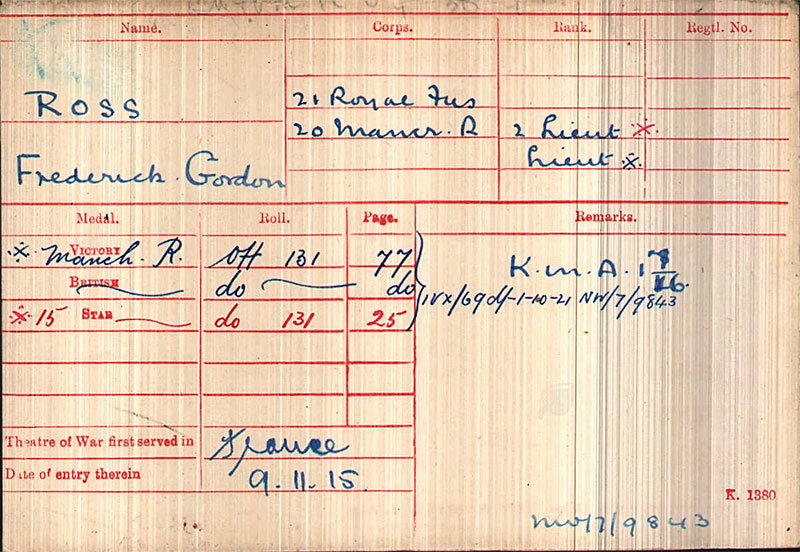
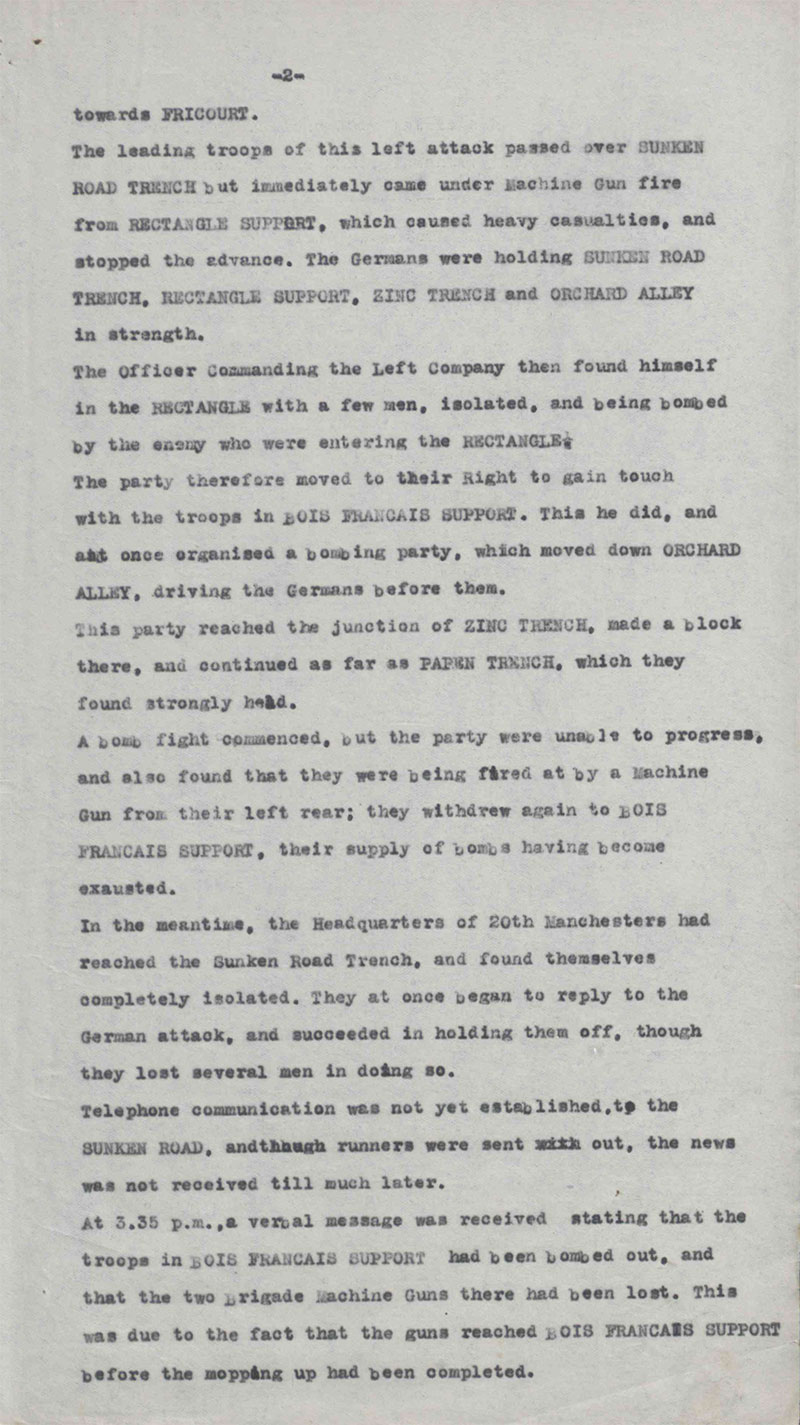
Frederic was killed in action on Saturday, 1 July 1916, the first day of the Battle of the Somme, aged 46 years. The war diary for the 20th Manchester’s show's the Battalion being in position in trenches at Bois Francais. The plan and objectives for the battalion were to capture the Bois Francais and support line.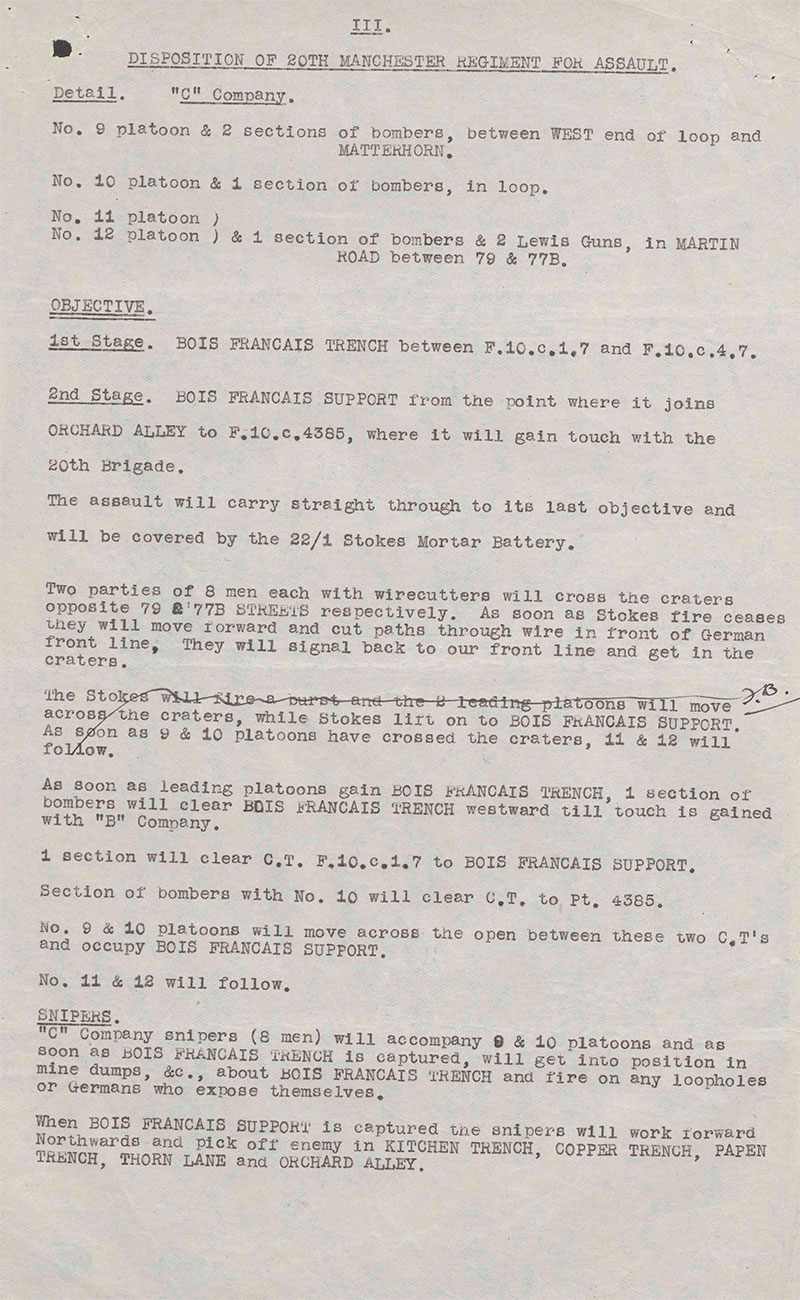
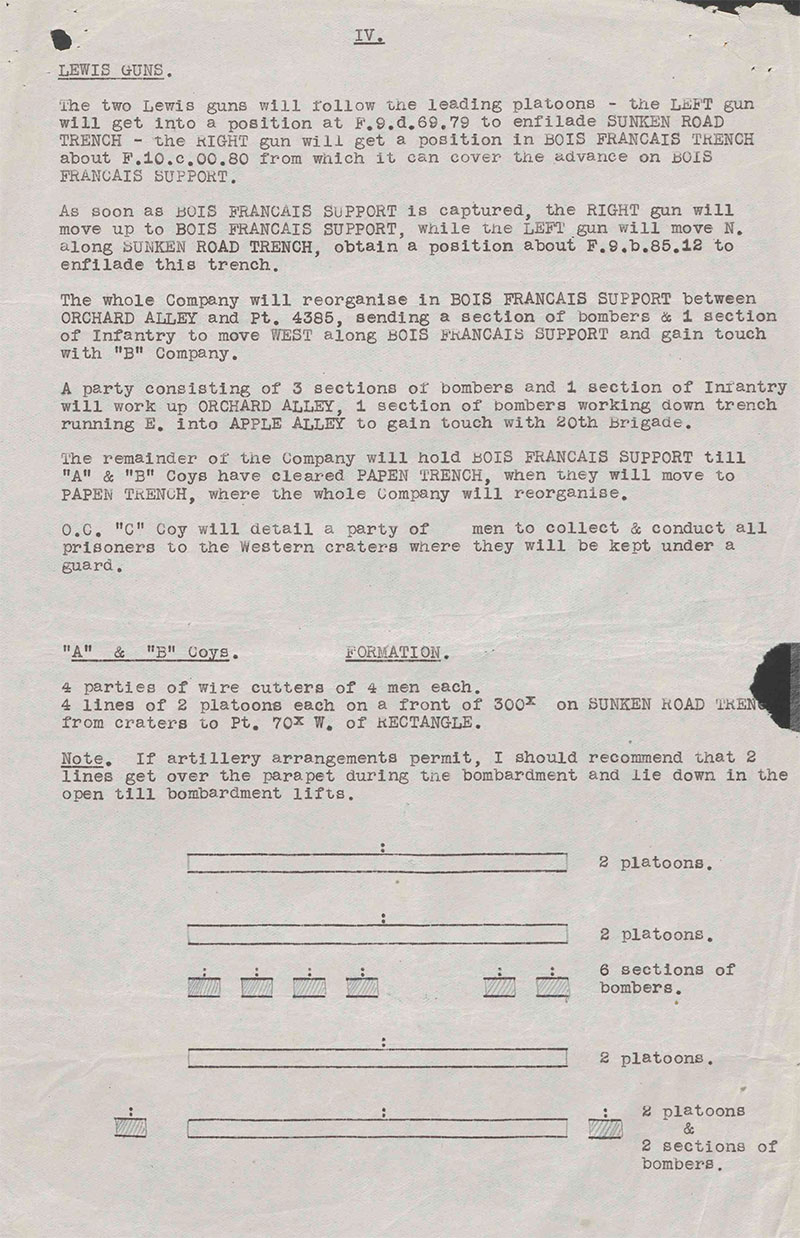
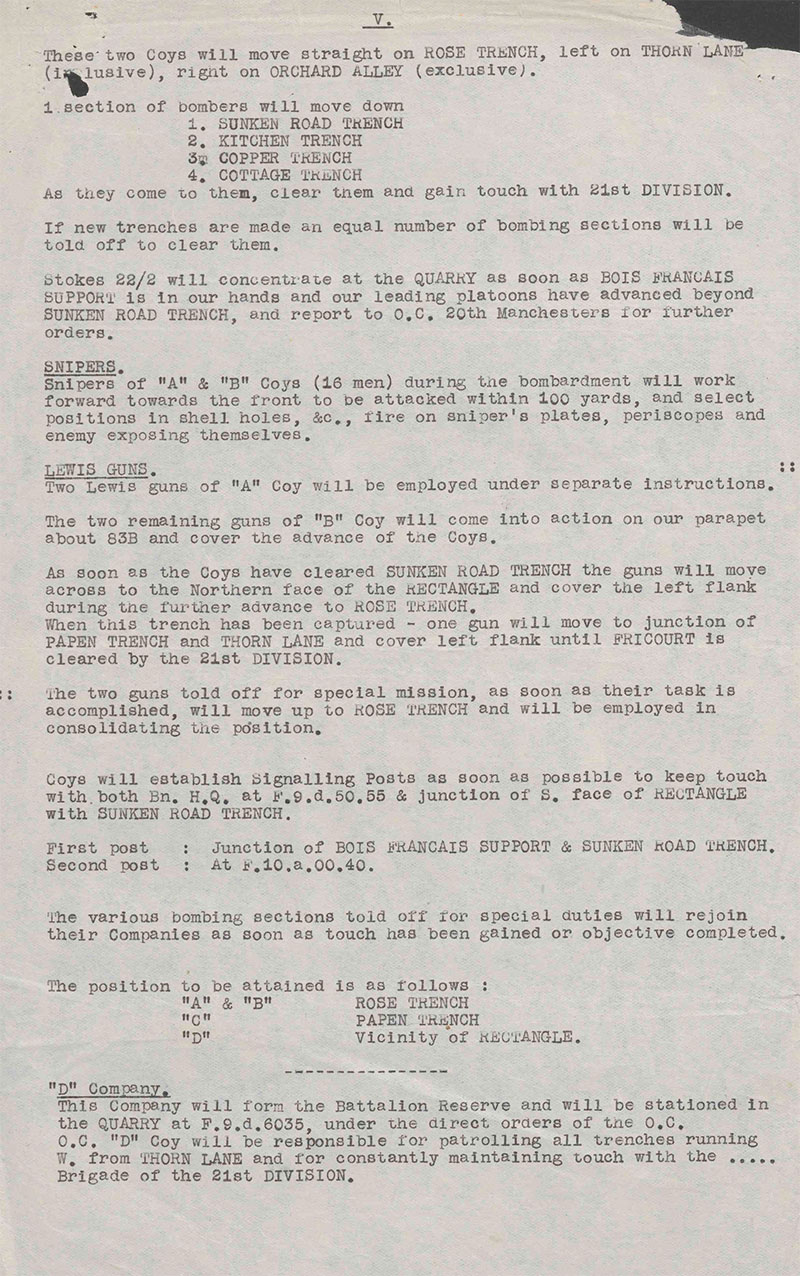
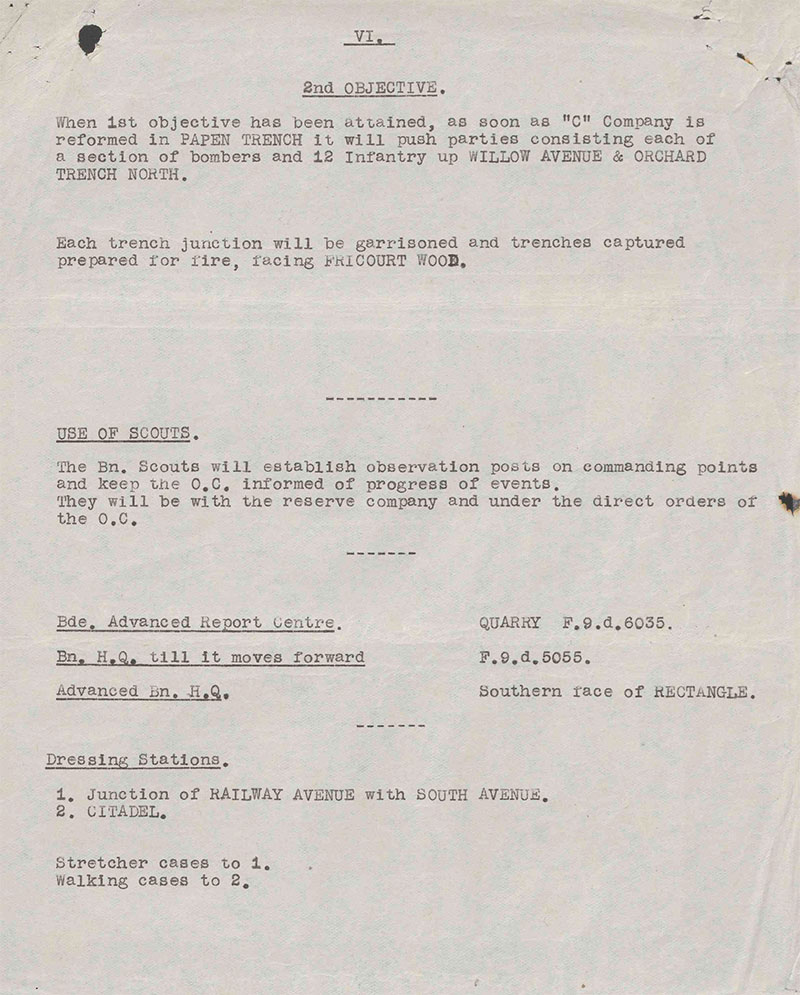

The battalion dairy for the day.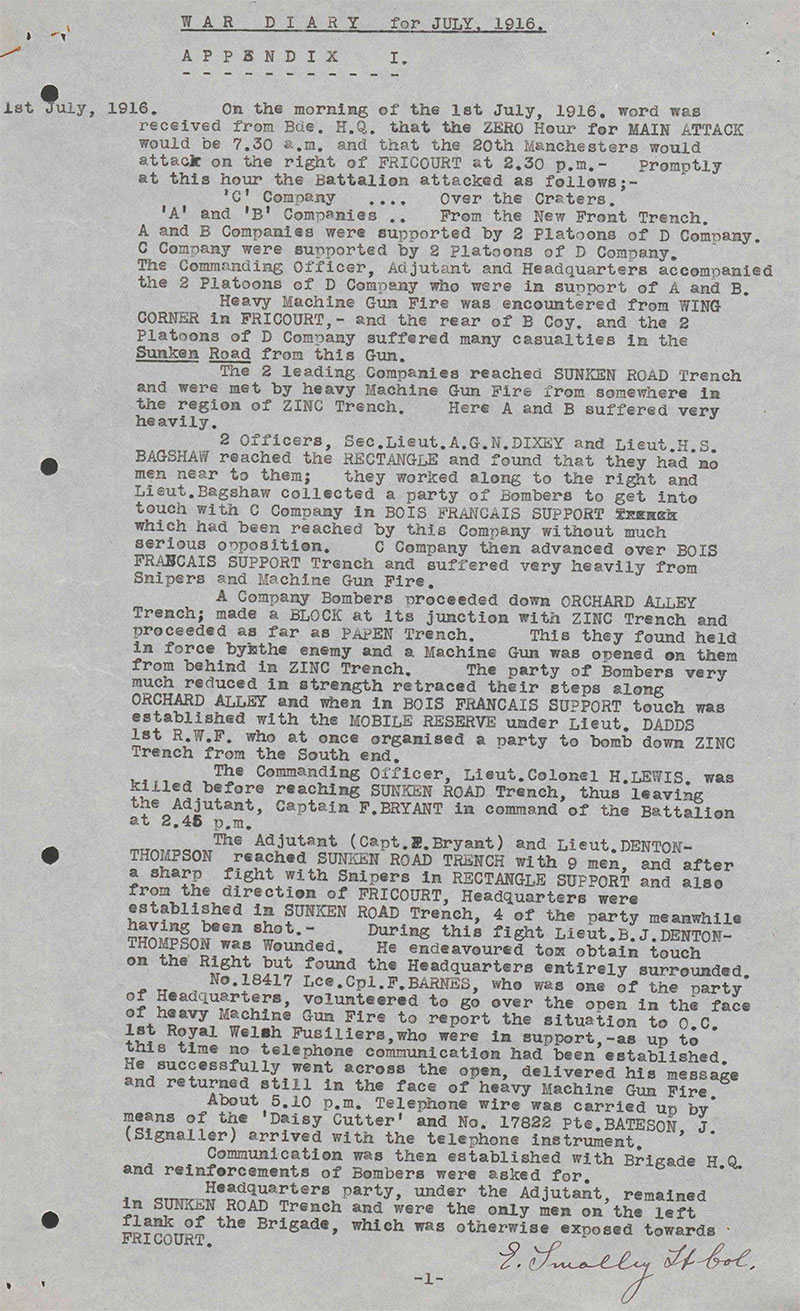
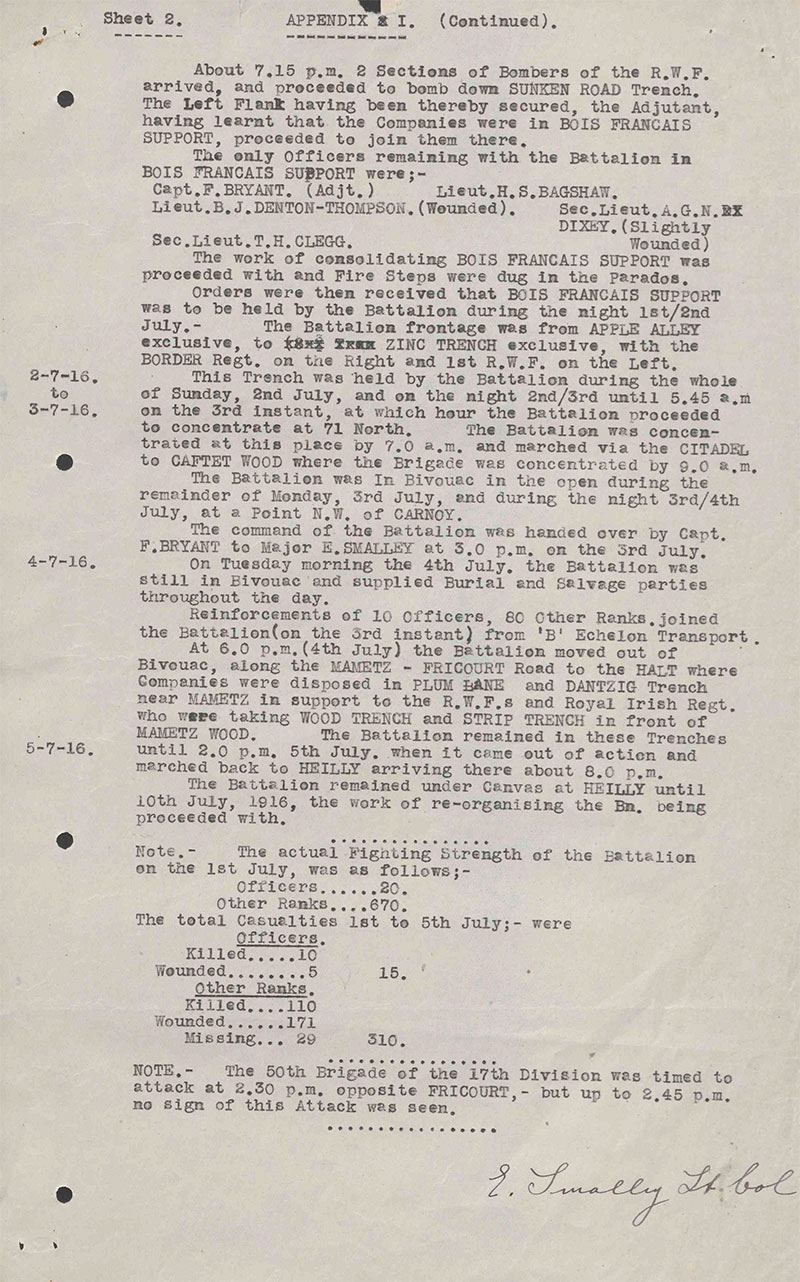
The 22 Brigade diary also has account of what happened.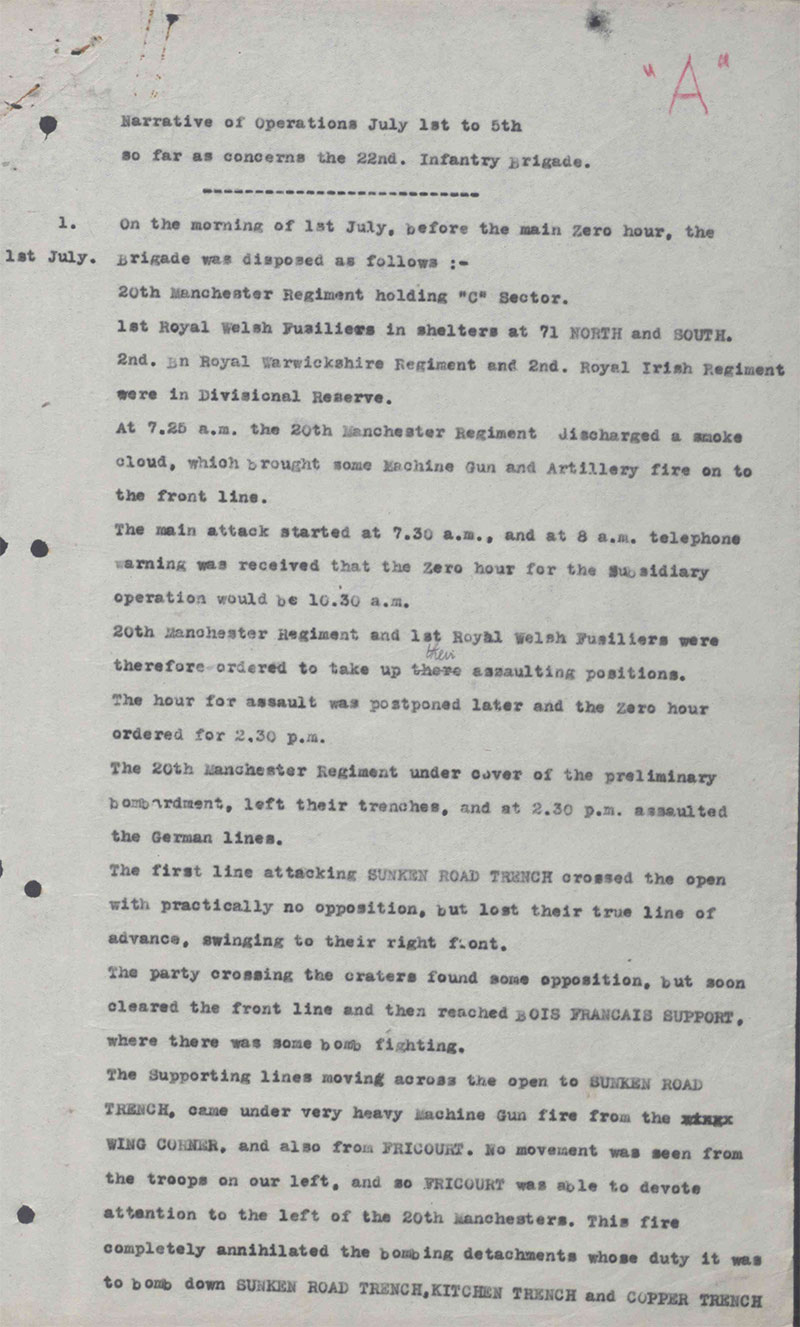
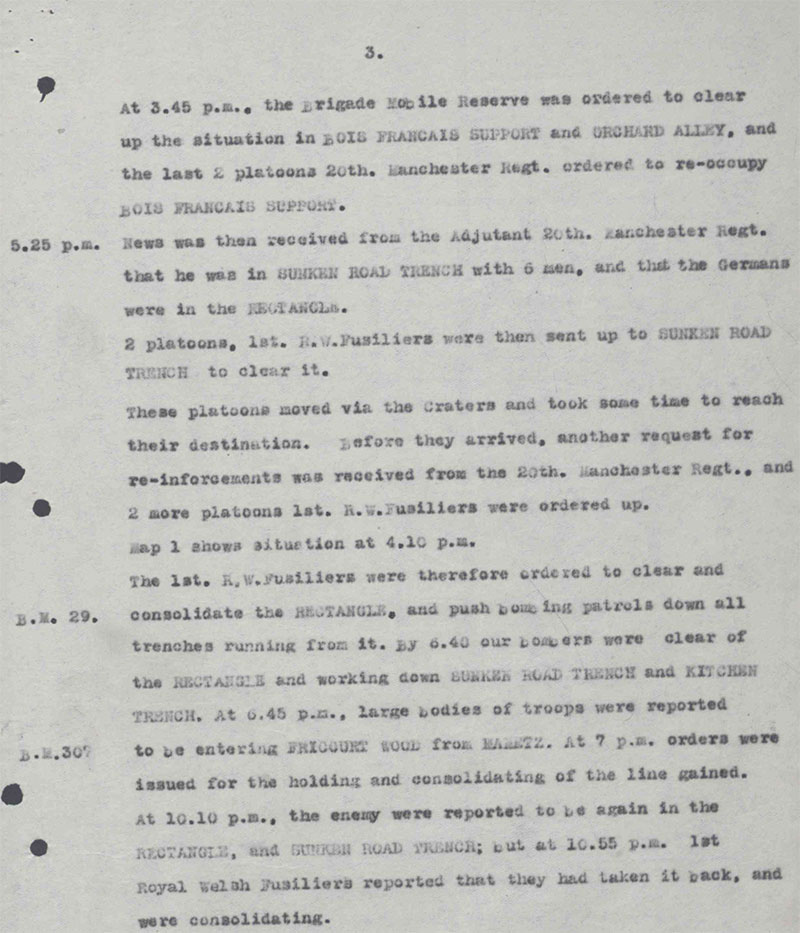
Map 1 mentioned shows the position at 4.10pm
The Alderley and Wilmslow Advertiser, Friday, July 14, 1916.
The Vicar of St. Philip’s, Alderley Edge (Rev. E. H. Cooper, B.A.), in the course office sermon on Sunday, referred to the loss the village and the church had sustained by the death of Lieutenant Ross. He said, there is one who has paid the last great sacrifice for King and country, and we are mourning him here today individually, especially in Saint Phillips church for he has been a familiar and honoured figure among us, and his family are very dear two us. His father was for long years a churchwarden and now a sidesman and assistant treasurer of the church. His voice has very often been here in the church as he stood at the lectern yonder and read the lessons. In parish affairs outside the church, he was full of self-sacrificing energy. Let me mention only his devotion to the lad’s club, which was quite extraordinary, and was off inestimable benefit to the growing boys of the village. Night after night after a day of busy toil, he would devote himself for hours to this club in which he took so absorbing and interest.
Then when the war came, though he was of an age when he might well have held back, and though he had ties of home and business interests which might well have kept him at home, he could not stay, and not waiting for the Commission which came to him later he joined the ranks as a private not heeding hardship or privation or rough companionship, heeding nothing but the thought of his country and these country’s need, and what he could do for it. His was a life of duty and sacrifice, a life in which religion was a reality, and his death, nobly dying that England may live, was a fitting end to such a life. We, in old Leigh edge of course to thank God for the life of Gordon Ross and the world is the better that he has lived in it. Our hearts go out today in deepest sympathy to his wife and children, to his father and his mother, and his brothers. Maybe find comfort wear alone it can be found in the internal and abiding love of God.